

All Roads Lead to Distribution: Why Great Startups Focus on Customers Before Products

Many first-time founders believe that launching a product is the biggest milestone on the road to success. They spend months building features, polishing the interface, and preparing for a big launch day.
Then... almost nothing happens.
The problem usually isn't the product. It's distribution.
In a recent episode of the Zero to Traction podcast, startup advisors Josh David Miller and Cameron Law argued that distribution—not launching—is what ultimately determines whether a startup succeeds. A great product that never reaches the right customers is simply a great product nobody uses.
Here's what founders should understand before investing months building their next product.
Launching Isn't a Strategy
Many entrepreneurs treat launch day like the finish line.
In reality, it's just another experiment.
Instead of thinking:
"We're launching our startup."
Founders should ask:
Can we repeatedly attract our ideal customer?
Can we convert them consistently?
Can we retain them over time?
If the answer is no, then the launch itself doesn't matter.
A successful business isn't built on one big announcement. It's built on a repeatable system that continually brings in customers.
Distribution Comes Before Scale
One of the biggest lessons from the discussion is simple:
Every road eventually leads to distribution.
Without a reliable way to reach customers:
Product validation becomes difficult.
Customer feedback becomes limited.
Revenue becomes unpredictable.
Growth stalls.
That's why distribution isn't something founders figure out after building a product.
It's something they should validate alongside the product itself.
Build Roads—Don't Wait for Customers to Find You
The old saying "Build it and they will come" rarely works for startups.
Instead, founders need to intentionally build the roads that connect their solution to the people who need it.
That starts by answering questions like:
Where does my customer already spend time?
Where do they search for solutions?
Who influences their buying decisions?
What channels consistently reach them?
Once those questions are answered, founders can begin testing those channels one at a time.
A Distribution Channel Is Not the Same as Marketing
Many startups describe their strategy like this:
We'll market on social media.
We'll start a podcast.
We'll launch on Product Hunt.
We'll do LinkedIn.
Those aren't complete strategies.
They're simply channels.
A real distribution strategy explains:
Who you're targeting.
Why that channel reaches them.
What message you'll test.
What success looks like.
How you'll measure results.
Whether the process can be repeated.
Without those pieces, founders are often just hoping customers appear.
Don't Build a Business Around a Side Project
One example discussed during the podcast involved a startup creating a podcast about remote work before introducing its scheduling software.
While content marketing can absolutely work, the advisors pointed out an important problem:
The founders were accidentally starting two businesses:
A podcast
A SaaS company
Each business has its own audience, operating model, and growth challenges.
Unless the content directly supports customer acquisition in a measurable way, founders risk spending months growing an audience instead of validating their software.
Beware of "Launch Addiction"
Another common mistake is repeatedly launching on platforms like Product Hunt.
The podcast discussed a company preparing for its fourth Product Hunt launch after three previous launches generated signups—but almost no long-term users.
The lesson?
More launches don't fix poor retention.
If customers don't continue using the product after finding it, the problem probably isn't the screenshots or launch strategy.
The problem may be:
Wrong audience
Weak value proposition
Product-market mismatch
Repeating the same experiment without learning from the previous results rarely produces different outcomes.
Experiment Like a Scientist
Instead of treating marketing as promotion, treat it as experimentation.
Every distribution channel should answer a question.
For example:
Will LinkedIn messages generate demos?
Will webinars convert better than email?
Will referrals outperform paid ads?
Will influencers attract qualified customers?
Each experiment should have:
A clear hypothesis
A measurable outcome
A limited investment
A decision about what to try next
This approach reduces risk while producing valuable data.
Follow the Data, Not Your Assumptions
One of the stronger examples discussed involved a healthcare compliance software company using personalized LinkedIn outreach and cold email.
Unlike earlier examples, this startup had measurable data:
About a 6% response rate
Roughly 40% demo-to-signup conversion
Low customer churn
Weekly improvements based on customer feedback
Rather than guessing, the founders were constantly refining their process using evidence.
That's what effective distribution looks like.
Even then, the advisors noted that founders should regularly ask whether they're optimizing the right part of the sales funnel. Sometimes improving top-of-funnel outreach creates more growth than trying to slightly improve conversion later in the process.
Your Product Doesn't Create Growth—Your Distribution Does
Founders often obsess over product features.
Customers rarely do.
Customers care whether your solution reaches them at the right moment, solves a painful problem, and is easy to adopt.
That's why distribution deserves as much attention as product development.
Final Thoughts
Building a great product is important—but it's only half the challenge.
Without a repeatable way to consistently reach customers, even outstanding products struggle to survive.
Instead of asking, "When should we launch?" ask a better question:
"How will we repeatedly find, reach, and convert our ideal customers?"
Answer that first, and every future launch becomes far more likely to succeed.
Frequently Asked Questions
What is distribution in a startup?
Distribution is the process of consistently getting your product or service in front of the right customers through repeatable channels such as referrals, partnerships, outbound sales, content marketing, or paid advertising.
Why is distribution more important than launching?
A launch is a one-time event. Distribution is an ongoing system that continually brings in new customers and drives long-term growth.
How do founders test distribution channels?
Start with small experiments. Test one channel at a time, measure results, learn from customer behavior, and improve before investing more time or money.
Is Product Hunt a good launch strategy?
Product Hunt can create awareness, but awareness alone doesn't guarantee customer retention or revenue. Founders should measure whether Product Hunt users become active, paying customers before relying on it as a growth channel.
What makes a good distribution strategy?
A strong distribution strategy clearly identifies:
Your ideal customer
Where they spend time
How you'll reach them
What message you'll test
How success will be measured
Whether the process can be repeated consistently
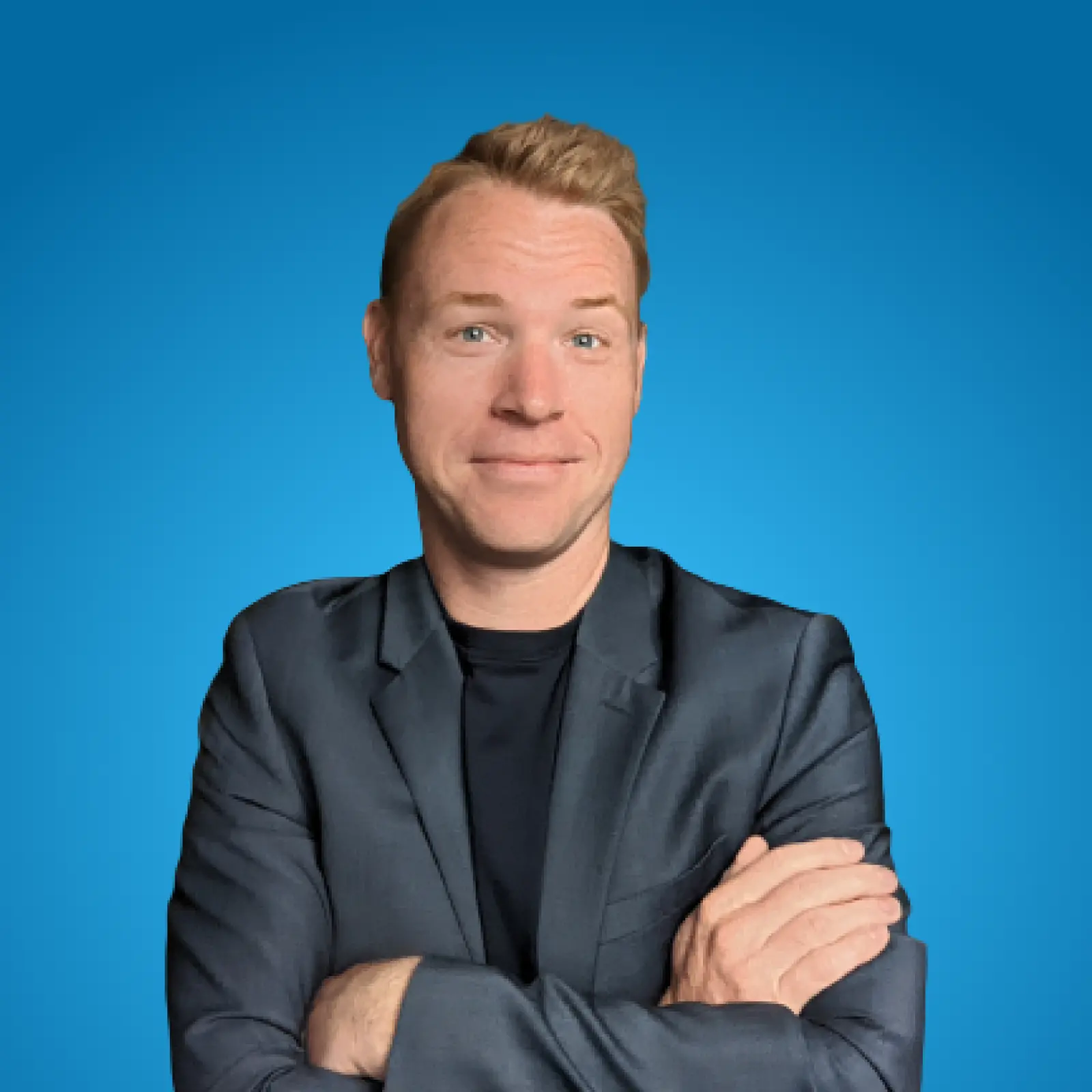
About Josh David Miller
Over the past decade, Josh David Miller has empowered over 100 startup founders and innovators to launch and scale their ventures. As the driving force behind the Traction Lab Venture Accelerator,
Josh specializes in guiding early-stage startups through the intricate journey from ideation to product-market fit. His expertise lies in transforming innovative concepts into viable, market-ready solutions, ensuring entrepreneurs navigate the challenges of the startup ecosystem with confidence and strategic insight.

About Cameron R. Law
Cameron R. Law is a Sacramento native dedicated to building community, growing ecosystems, and empowering entrepreneurs.
As the Executive Director of the Carlsen Center for Innovation & Entrepreneurship at California State University, Sacramento, he leverages his passion for the region to foster innovation and support emerging ventures. Through his leadership, Cameron plays a pivotal role in shaping Sacramento's entrepreneurial landscape, ensuring that innovators and builders have the resources and support they need to succeed.
