

ChicoSTART Put the Spotlight on North State Innovation
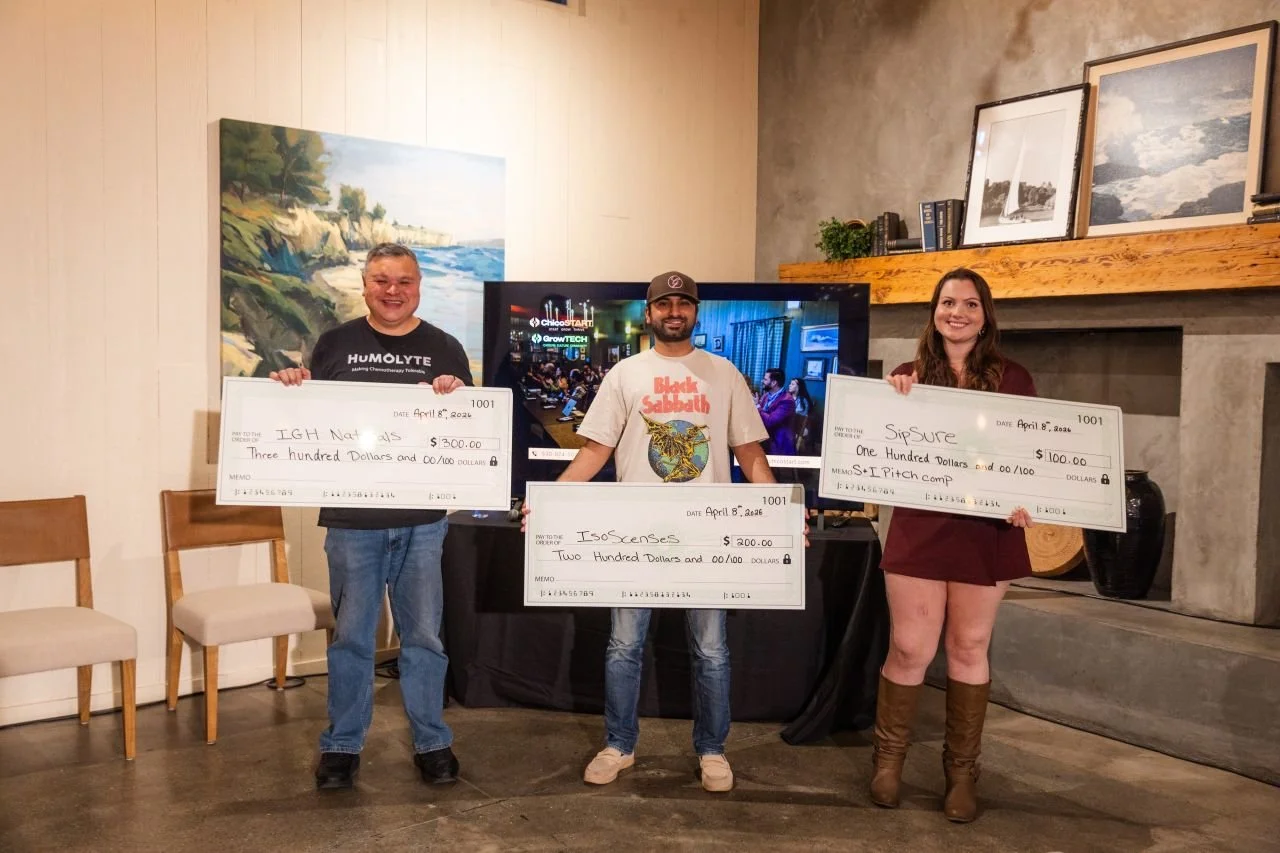
On April 8, ChicoSTART brought founders, entrepreneurs, and community supporters together for a full day of workshops at The Westport Event Venue in downtown Chico, then capped it off with a live startup pitch challenge that highlighted exactly what a healthy regional ecosystem should do: teach, connect, and give founders a stage. ChicoSTART described the day as its annual strategic and innovative workshop event, built to help entrepreneurs “START, GROW and THRIVE,” with the evening pitch challenge designed to bring the community into the process.
That is why the bigger story here is not just who won. It is what ChicoSTART is building.
More than a pitch contest
ChicoSTART describes itself as a startup incubator and support community focused on helping startups move from “survive to thrive,” offering mentorship, resources, programming, and community connections for founders in the North State. Its public materials emphasize access to workshops, events, and a broader entrepreneurial network, which is exactly the kind of infrastructure regional startup communities need.
A lot of people think startup ecosystems are built by big announcements. Usually, they are built by repeated, practical events like this one.
A workshop day followed by a live pitch challenge may not sound flashy, but it does the real work. It gives early-stage founders a place to sharpen their message, meet other builders, and get in front of an audience that actually cares. In ChicoSTART’s case, the April 8 program combined daytime education with an evening pitch competition and networking hang, creating both a learning environment and a proving ground.
The winners deserve attention
ChicoSTART announced three winners from its 1 Minute Elevator Pitch Competition:
HuMOLYTE (Rich Foreman) — described by ChicoSTART as “making chemotherapy more tolerable.”
IsoSenses (Jatinder Mann) — described as developing technology that detects when trash cans are full.
SipSure (Cofounder Sophia Giordano) — described as “elevating nightlife accessories.”
That lineup says something useful about ChicoSTART.
It is not narrowly focused on one type of founder or one category of startup. In one competition, ChicoSTART elevated a healthcare-focused company, a practical sensing/tech solution, and a consumer-facing product. That kind of range matters because strong startup communities are rarely built around a single lane. They are built by creating a home for different types of entrepreneurs who are all serious about solving problems.
Why ChicoSTART’s model works
1. It combines education with exposure
Too many founder events are all talk or all theater.
ChicoSTART’s format did both. The day included workshops on topics like elevator pitching, AI alignment, and brand communication, then shifted into a live pitch challenge in the evening. That matters because founders need more than inspiration. They need a chance to learn and then immediately test what they learned in public.
Example: It is one thing to hear advice on sharpening your message. It is another thing to deliver that message in 60 seconds with a room watching.
2. It gives the community a role
The event was not just for the founders on stage. ChicoSTART invited the broader community to attend, network, and be part of the live audience energy around the competition. That is a small detail, but it matters. Startup ecosystems grow when the audience sees itself as part of the process, not just as spectators.
Example: A founder may walk away with a win, but just as important are the follow-up conversations with mentors, collaborators, future customers, and supporters after the event.
3. It creates visible momentum
Regional ecosystems need proof points.
Every time an organization like ChicoSTART puts founders in front of a room, celebrates winners, and shows that innovation is happening locally, it strengthens the case that serious companies can be built outside the usual major-market narrative. ChicoSTART’s own public messaging around the event emphasized the energy in the room, the quality of the speakers, and the engagement from attendees.
Example: One strong event does more than reward a few startups. It makes the next founder more likely to apply, the next partner more likely to sponsor, and the next community member more likely to show up.
The bigger takeaway
My suggestion is to look at this event as a model for what good ecosystem building actually looks like.
ChicoSTART did not just host a pitch competition. It created a day where founders could learn, connect, and then step into the spotlight. The winners — IGH Naturals, IsoSenses, and SipSure — absolutely deserve recognition. But the larger win belongs to ChicoSTART for continuing to create the kind of founder-centered programming that helps a regional startup community mature.
The moral is simple: startups need more than ideas. They need places to practice, present, and be seen. ChicoSTART is helping provide exactly that.
